Unleash Your Inner Angler with These Game-Changing Fly Fishing Tips for Ultimate Success
- Flying Fishman

- Jun 27, 2025
- 5 min read
Fly fishing is more than just a hobby; it's an adventure that connects you with nature while challenging your skills and patience. Whether you're a seasoned angler or just starting out, there are always ways to improve your fly fishing technique. If you're eager to step up your game, this blog post will arm you with valuable tips to help you find more success on the water.
Understanding Fly Fishing Basics
Before diving into advanced techniques, it’s key to understand the basics of fly fishing. Fly fishing involves using artificial flies to lure fish, and your equipment can make a significant difference in this endeavor.
You will need three main pieces of gear: a specialized fly rod, a quality reel, and suitable line. Each item works together to enhance your overall fishing experience. For example, if you’re targeting trout in a mountain stream, the right light-weight rod will help you cast precisely into tight spots.
Being attentive to water conditions is also crucial. Fish behave differently in various environments. For instance, in warm weather, trout may seek cooler, shaded areas, while bass might become more active in warmer, shallower waters.
Choosing the Right Gear
1. Fly Rod Selection
Picking the right fly rod is a pivotal part of your setup. The length and weight must match both the target fish species and the conditions you'll encounter. For instance, a 9-foot, 5-weight rod is versatile and works well for trout, while a 7-foot, 3-weight rod is perfect for small streams.
Knowing the characteristics of different rod types can dramatically influence your casting ability and success rate.
2. Fly Reel Insights
An effective fly reel is equally important. It should balance well with your rod and provide smooth line retrieval. Focus on the drag system, as this plays a major role in how you control a hooked fish. For example, a drag system that adjusts smoothly can be the difference between landing that trophy fish and it slipping away.
Invest in a durable reel that fits your fishing style. If you're targeting aggressive species like pike, consider a reel built for strength and reliability.
3. Fly Line and Leader Choices
The right fly line can enhance not just casting but also how you present your fly. Line weight should correspond with your rod. A floating line is good for surface flies, while a sinking line is better for deep water. The tapers of the line affect how well it casts and the distance you can cover.
Choosing an appropriate leader line, which attaches your fly to your line, is also vital. A 5X leader is great for small flies and wary fish, providing the stealth needed to catch more fish.
The Art of Casting
4. Master Your Cast
Casting is at the heart of fly fishing and requires regular practice to perfect. Focus on using your whole arm while keeping your wrist loose. Use fluid motions to make the cast smoother and more accurate.
By practicing different casting styles, such as the double haul technique, you can maximize your distance and accuracy, which is essential in various fishing spots.
5. Timing and Rhythm
Perfect timing in your cast is critical. Aim for a coordinated rhythm that allows your fly to land exactly where you want it. Anglers often benefit from a consistent tempo, similar to the ticking of a clock. Practicing this can enhance your casting precision, leading to more fish encounters.
The Importance of Fly Patterns

6. Matching the Hatch
One of the key rules in fly fishing is to match your fly with local insects. Spend time learning about what aquatic bugs are prevalent in the area and their life cycles. For example, during mayfly hatches, using a matching dry fly can lead to an increase in strikes.
Take a moment to observe your surroundings. Note the insects flying around and select a fly that mimics their color, size, and movement. This small detail can be the game-changer in attracting fish.
7. Seasoned Fly Choices
The time of year affects fish behavior and what they are likely to eat. Different flies will be more effective depending on the season:
Early Spring: Use dry flies that resemble small insects emerging from the water.
Summer: Terrestrial flies, like those mimicking grasshoppers or beetles, can be very effective.
Fall: Opt for streamers that represent baitfish, as predatory fish will be actively feeding.
By understanding which flies work best during specific seasons, you can greatly improve your overall fishing success.
Casting Techniques for Success
8. Roll Cast for Tough Situations
The roll cast is essential when fishing in tight spaces with no room to backcast. This technique lets you present your fly effectively while keeping tension on the line.
Practicing this cast can make a huge difference when dealing with tricky riverbanks or obstructing trees, allowing you to reach hard-to-access fish without spooking them.
9. The Importance of Drift
Drift is all about simulating a natural movement of your fly. Aim for an even float that mimics how insects naturally behave in the water. This attention to detail can be the difference between a hesitant fish and a successful catch.
A well-presented fly can entice fish that are typically cautious and often hesitant to bite.
Reading the Water
10. Identifying Fish Holding Areas
Understanding water characteristics is crucial for increasing your chances of success. Look for areas where fish are likely to be feeding:
Eddy areas: Where the current slows down, creating a comfortable spot for fish.
Underwater structures: Like rocks or fallen trees where fish hide.
Surface tension changes: Often indicate fish are feeding on insects.
Identifying these areas can significantly boost your catch rate.
11. Understanding Flow and Temperature
Water flow and temperature can heavily influence fish behavior. Generally, colder water slows fish activity, while warmer temperatures can spur feeding. A study even found that fish in warmer water can be up to 30% more active.
Pay attention to these conditions and adjust your technique and fly choice accordingly for better results.
Patience and Observation
12. Taking Your Time
Fly fishing is just as much about patience as it is about skill. Sitting quietly can lead to increased encounters with fish.
While waiting, use the opportunity to observe the water. Look for rising fish and adapt your strategy based on your observations.
13. Learning from Mistakes
Mistakes are part of the learning process. Every angler experiences setbacks, but these offer valuable lessons. Keep a fishing log where you note every detail of your trips. Document what worked, what didn’t, and any changes you noticed in fish behavior.
Reflecting on these notes will help you refine your technique and enhance your fly fishing success.
Bonus: Ethical Fishing Practices
14. Preserve the Environment
As passionate anglers, it’s our duty to protect the environments we enjoy. Follow "leave no trace" principles by cleaning up after yourself and handling fish carefully.
Being aware of local regulations and practicing catch-and-release can greatly contribute to preserving fish populations for future generations. Being stewards of the environment ensures that everyone can continue enjoying this beautiful pastime.
Embarking on Your Fly Fishing Journey
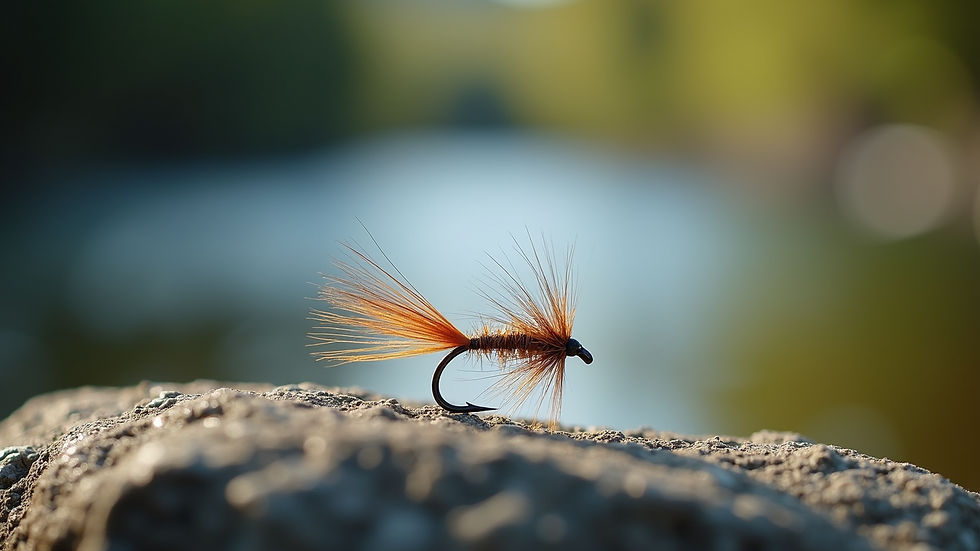
Fly fishing is a journey filled with challenges and rewards. By implementing these game-changing tips, you can significantly boost your chances of success on the water.
Embrace the basics, master your casting technique, choose the right patterns, and hone your patience and observational skills. Each outing provides an opportunity to learn and refine your abilities further.
The world of fly fishing awaits you, filled with endless adventures! Grab your gear, head to the water, and let these tips guide you toward your next unforgettable catch!


